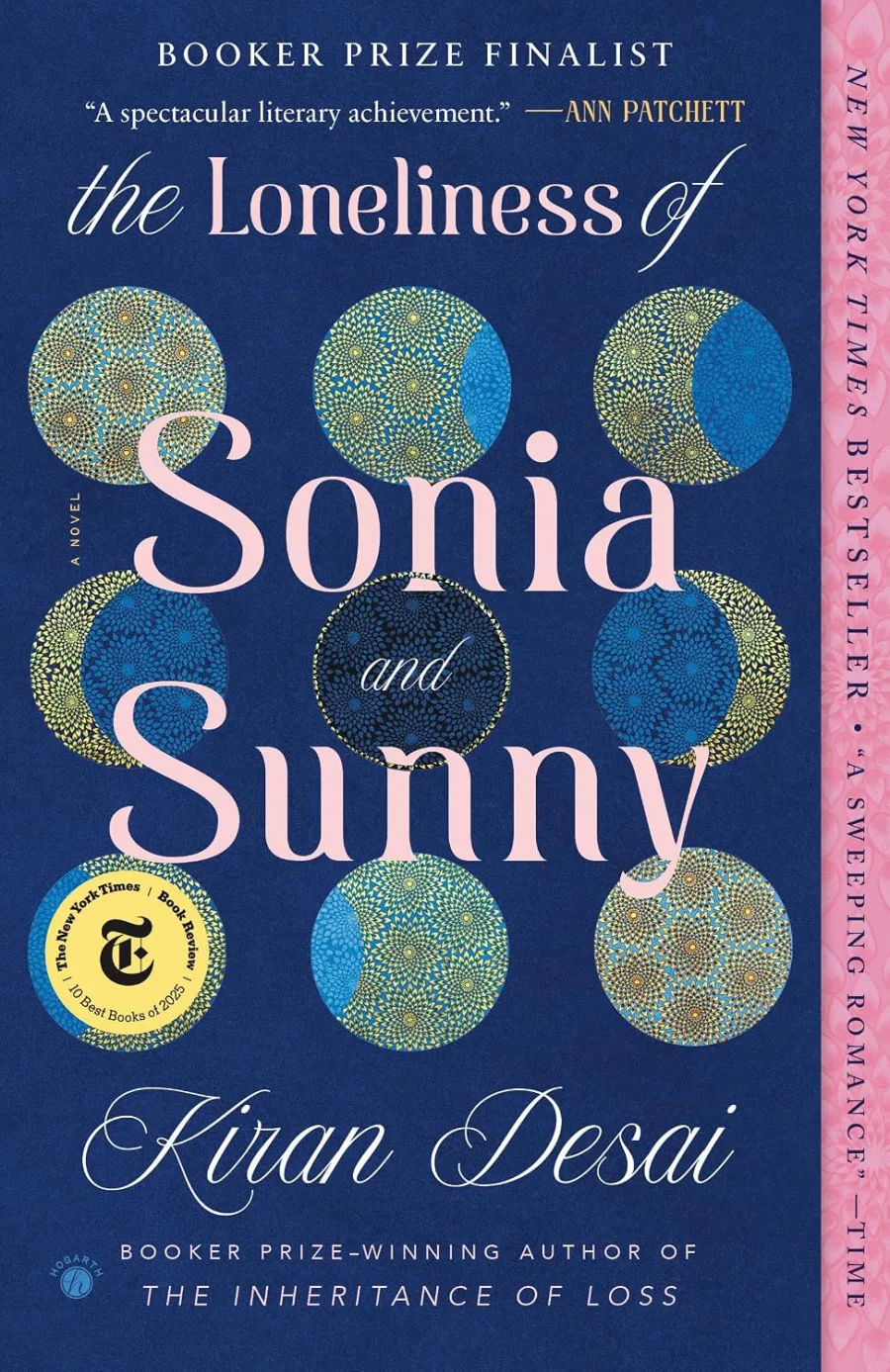
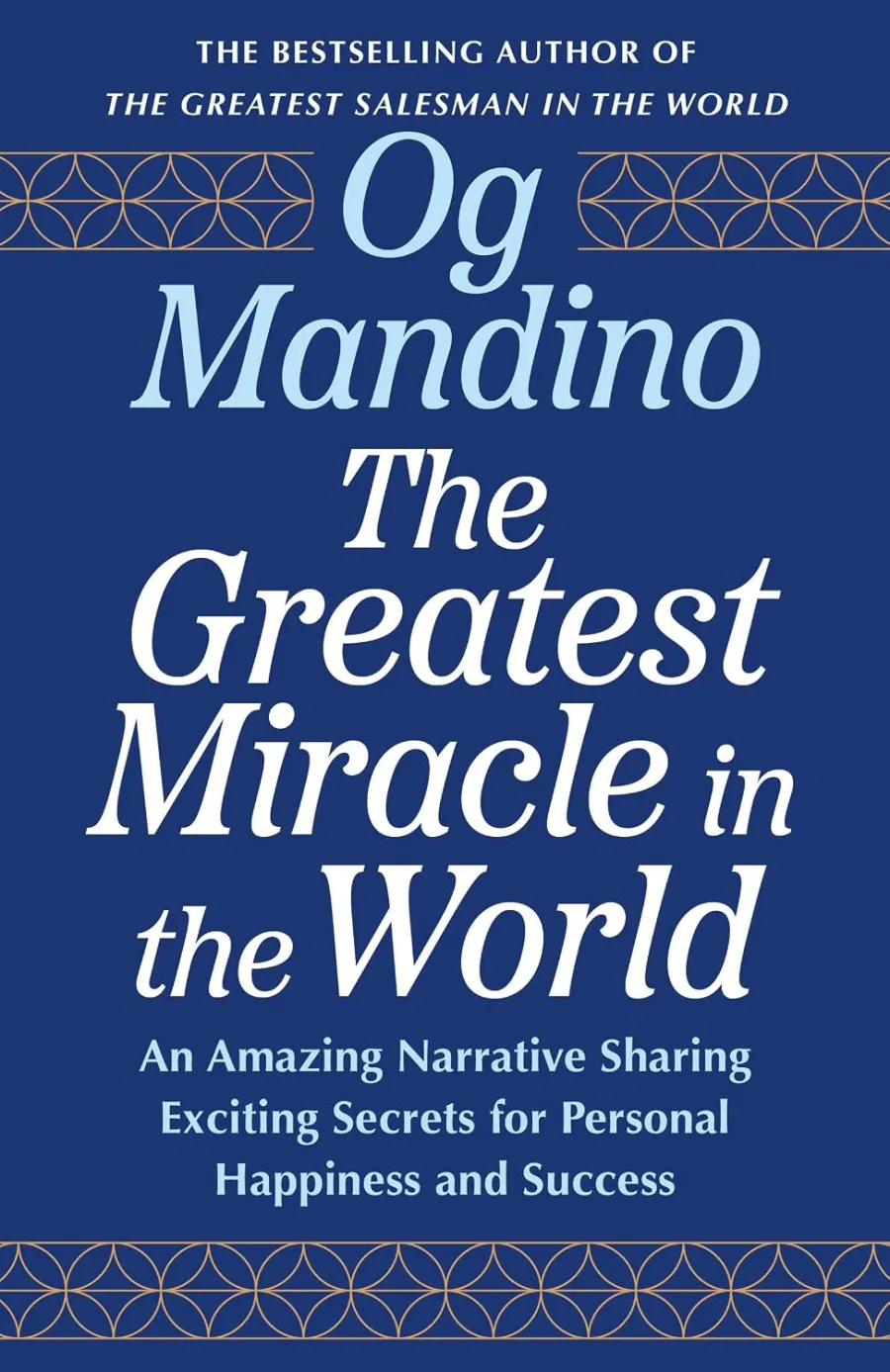
Penguin Random House (PRH) is one of
the most influential publishing groups in the world and, by its own parent
company Bertelsmann’s description, the world’s largest trade book publisher.
The company operates at an unusual scale for a creative business: it combines a
global distribution network, hundreds of editorially independent publishing
brands, thousands of publishing professionals, and a vast catalogue of fiction,
nonfiction, children's books, young-adult literature, audiobooks and digital
books. Its stated mission is to “ignite a universal passion for reading by
creating books for everyone,” reflecting a business model built around
discovering authors, developing intellectual property, publishing it in
multiple formats and territories, and connecting books with readers worldwide.
Company history and formationThe modern Penguin Random House group was created on July 1, 2013,
when Bertelsmann and Pearson combined their respective trade-publishing
businesses, Random House and Penguin. At formation, Bertelsmann owned 53% and
Pearson 47%. The merger brought together two of the most recognizable names in
publishing and created what was described at the time as the first truly global
trade book publishing company.
The histories behind the two names are considerably older than the merger
itself. Penguin Books was founded in Britain by Allen Lane in 1935,
following his realization that readers needed good-quality books that were
affordable and easily available. Penguin's inexpensive paperback model
transformed the accessibility of literature and helped establish the paperback
as a major publishing format.
Random House, meanwhile, developed into one of the great American publishing
houses and became home to major literary, commercial and nonfiction authors.
The eventual combination of Penguin and Random House therefore joined two
powerful publishing traditions rather than creating a company from scratch.
In 2020,
Bertelsmann became the sole owner of Penguin Random House,
making PRH a wholly owned division of the German media conglomerate. Today, the
company is headquartered in New York City and operates across more than 20
countries and six continents.
Ownership and corporate structurePenguin Random House is part of Bertelsmann, one of the
world's major media, services and education companies. The relationship is
important because publishing represents a core component of Bertelsmann's
international media portfolio.
PRH's structure is deliberately decentralized. Rather than operating as one
enormous editorial department, it consists of hundreds of editorially and creatively
independent imprints and brands. Current company information describes
more than 300 such imprints worldwide, while Bertelsmann reports more than 350
imprints across six continents. The difference reflects the way the
organization counts brands and operations, but both figures illustrate the
extraordinary breadth of the group.
This decentralized model is strategically important. Readers and authors
often identify with individual publishing houses—such as Penguin, Viking,
Knopf, Doubleday, Random House, Crown or DK—rather than with a single corporate
identity. Independent editorial identities allow publishers to maintain
specialized expertise, distinctive lists and individual relationships with
authors while benefiting from the financial, technological, logistical and
distribution capabilities of a global parent company.
Scale of the businessThe scale of Penguin Random House has grown substantially since the 2013
merger. According to Bertelsmann's latest reported figures for fiscal year
2025, Penguin Random House had 13,530 employees, generated
approximately €4.981 billion in revenue, and recorded €704
million in adjusted operating EBITDA. It published approximately 14,500
new works during the year and sold more than 750 million print
books, e-books and audiobooks worldwide.
The company's own corporate website describes more than 70,000
digital and 15,000 print titles published annually, with more than
100,000 eBooks available worldwide. These figures illustrate that PRH is not
dependent on a small number of bestselling authors. Instead, it operates a
highly diversified publishing portfolio containing literary works, commercial
fiction, nonfiction, children's books, reference products and numerous
specialized categories.
The business is therefore best understood not simply as a traditional book
publisher but as a global intellectual-property and content company. A
successful book can generate revenue through hardcover and paperback editions,
e-books, audiobooks, translation rights, film and television adaptations,
licensing, international editions and other derivative opportunities.
Major publishing businesses and imprintsOne of Penguin Random House's greatest competitive advantages is its
portfolio of recognizable publishing brands. Its current imprint structure
includes major groups such as the Crown Publishing Group, DK, Knopf Doubleday
Publishing Group, Penguin Publishing Group, Penguin Random House Audio
Publishing Group, Penguin Random House Christian Publishing Group, Penguin
Young Readers Group, Random House Children's Books and Random House Publishing
Group.
Within these groups are numerous famous imprints. Penguin Publishing Group,
for example, includes names such as Berkley, Dutton, Penguin Classics, Penguin Press,
Portfolio, Putnam, Riverhead and Viking.
This portfolio allows PRH to address extremely different audiences. Literary
fiction can be developed under a prestigious literary imprint, while commercial
romance, science fiction, business books, cookbooks, children's literature or
popular nonfiction can be handled by specialists with appropriate editorial and
marketing expertise.
The company also has a major presence in audio publishing,
reflecting the growing importance of audiobooks in the global book market.
Audio allows publishers to extend the life of intellectual property into
another format while reaching consumers who may not traditionally purchase or
read printed books.
Business modelThe core Penguin Random House business model begins with author acquisition and
editorial development. Editors identify manuscripts, negotiate
publishing contracts and work with authors to develop books for specific
audiences. Once a title is acquired, the company invests in editing, design,
production, marketing and distribution.
The economics of publishing are highly dependent on portfolio management. A
publisher may invest heavily in hundreds or thousands of titles each year,
knowing that only a relatively small proportion will become major commercial
successes. Profits from bestselling books can help support the development of
less commercially predictable literary and specialist works.
This creates an important balance between commercial publishing and cultural publishing.
A global group such as PRH can publish highly commercial genres while
simultaneously investing in literary fiction, serious nonfiction, poetry,
history and other categories whose cultural importance may exceed their
immediate commercial potential.
Distribution is another major competitive advantage. PRH's global
infrastructure enables successful titles to move efficiently through
bookstores, online retailers, libraries and other channels. Its business
therefore combines creative judgment with sophisticated supply-chain
management, sales forecasting, inventory management and consumer marketing.
Digital publishing and audiobooksThe publishing industry has changed dramatically through digital technology,
and Penguin Random House has responded by treating books as content that can
exist across multiple formats.
E-books allow publishers to distribute titles without the physical
manufacturing and inventory requirements associated with print. Audiobooks have
created another major avenue for growth, particularly as smartphones, connected
cars and subscription-based audio services have made spoken-word content easier
to consume.
The company's large-scale digital catalogue also provides a long-term
advantage. A book does not necessarily disappear after its initial print run.
Digitization allows publishers to keep extensive backlists commercially
available, potentially generating revenue years or decades after original
publication.
This is particularly valuable for a company with PRH's historical catalogue.
Classic books, established authors and older nonfiction titles can continue
reaching new readers through digital editions, audio formats, translations and
new marketing campaigns.
Authors and intellectual propertyAuthors are at the center of Penguin Random House's business. The company
says its family includes hundreds of widely read authors and more than 80 Nobel
Prize laureates.
Its catalogue encompasses some of the most recognizable writers in modern
literature and popular culture. The commercial value of such authors extends
beyond individual book sales. Successful authors can build long-term franchises,
generate multiple editions, attract international rights buyers and create
opportunities for film and television adaptation.
Consequently, intellectual-property management is a central
part of PRH's business strategy. Copyright, translation rights, audio rights,
territorial rights, licensing and adaptation rights can all contribute to the
overall value of a successful publishing property.
Penguin Random House in IndiaPenguin Random House has a particularly important presence in India through Penguin
Random House India (PRHI). Its Indian history began in 1987,
initially with six books, and the local business subsequently became one of
India's major publishing organizations. The merger of Penguin and Random House
globally in 2013 brought their Indian operations together as Penguin Random
House India.
PRHI publishes across English and Hindi and has developed a broad catalogue
covering fiction, nonfiction, biography, history, politics, business,
philosophy, religion, lifestyle, cookery, health, children's literature and
other categories. Its publishing programme includes both internationally known
writers and major Indian voices.
The company has also strengthened its Hindi publishing through Hind
Pocket Books and expanded children's publishing through acquisitions
such as Duckbill. Its Indian publishing structure includes
Adult Publishing, Children's Publishing, Penguin Swadesh and Penguin Audio,
alongside custom publishing activities.
This localization is strategically important. India is not merely a market
into which international books are exported; it is a major source of authors,
stories and intellectual property. PRHI's portfolio includes writers such as Arundhati Roy, Ruskin
Bond, Sudha Murty, Jhumpa Lahiri, A.P.J. Abdul Kalam and Perumal Murugan,
among many others.
Marketing and distribution strategyModern book publishing is as much about discoverability as
production. Penguin Random House uses traditional bookstore distribution
alongside online retail, digital marketing, social media, author events,
publicity campaigns, audio platforms and other reader-engagement channels.
The company's enormous catalogue creates both an opportunity and a
challenge: readers have more choices than ever. Consequently, successful
publishing increasingly depends on identifying the right audience and creating
sustained visibility for individual titles.
PRH's decentralized imprint structure helps solve this problem. Different
editorial brands can build distinct relationships with particular communities
and genres while the wider corporation provides scale in marketing, technology,
distribution and data.
Competitive strengthsPenguin Random House's strongest competitive advantages are its scale, catalogue, author
relationships, brand portfolio, distribution infrastructure and global reach.
First, its enormous catalogue provides a diversified revenue base. Second,
its hundreds of imprints allow it to compete across almost every major
trade-book category. Third, its international network enables successful books
to travel between markets. A title developed in India, Britain, the United
States or another territory can potentially find readers elsewhere through
translation, rights sales and international publishing.
Its long history is another advantage. Publishing is fundamentally a
relationship-driven business, and decades of relationships with authors,
agents, booksellers, literary institutions and cultural organizations create
barriers that are difficult for new competitors to reproduce.
Challenges facing the companyDespite its strength, Penguin Random House operates in an industry
undergoing major structural change. Physical bookstores face competition from
online retail, consumer attention is increasingly divided among video, social
media, gaming and other forms of entertainment, and publishers must constantly
adapt to changing reading and listening habits.
Paper, printing, transportation and warehousing costs also affect
profitability. Publishers must carefully balance print runs against demand
because excess inventory can become expensive, while underestimating demand can
cause missed sales opportunities.
The rise of generative artificial intelligence presents another significant
long-term issue. Publishers and authors are increasingly concerned with
copyright protection, unauthorized use of books for training purposes,
synthetic content and the changing economics of creative work. PRH's ability to
protect intellectual property while embracing useful technology will therefore
be strategically important.
Sustainability and social impactPenguin Random House also positions itself as a cultural institution rather
than simply a commercial publisher. Its stated commitments include literacy,
diversity, access to books, freedom of expression and environmental
responsibility. The company's careers and corporate materials describe
initiatives supporting book access and literacy and a global ambition to become
climate neutral by 2030.
In India, PRHI has highlighted sustainability measures including the use of
recycled and FSC-certified paper and the development of large-scale warehousing
designed with ecological efficiency in mind.
LeadershipAs of 2026, Nihar Malaviya serves as Chief Executive
Officer of Penguin Random House, with global and U.S. responsibility. He joined
Bertelsmann in 2001 and later held senior leadership positions within Random
House and PRH, including President and COO of PRH U.S.
His background reflects the direction of modern publishing: alongside
traditional publishing expertise, his career has involved data science,
supply-chain capabilities, technology and consumer insights. This combination
demonstrates how publishing is increasingly becoming a technology-enabled
creative industry.
Overall business outlookPenguin Random House occupies a unique position in the global media
landscape. It is simultaneously a traditional publisher, digital content company,
intellectual-property owner, international distributor and cultural institution.
Its greatest asset is not simply the Penguin logo or any individual bestselling
author, but the combination of hundreds of editorial identities, a massive
catalogue, global infrastructure and long-standing relationships with writers
and readers.
The company's future will depend on how effectively it adapts these assets
to changing consumer behavior. Print books remain central, but e-books,
audiobooks, digital discovery, international rights, adaptations and emerging
technologies are increasingly important parts of the publishing ecosystem.
Ultimately, Penguin Random House's business strength comes from a simple but
powerful model: find compelling ideas and authors, develop them well, protect their
intellectual property, publish them in the formats readers want, and use global
distribution to reach as many audiences as possible. With
billions of euros in annual revenue, more than 13,000 employees, hundreds of
imprints and hundreds of millions of books and digital products sold annually,
PRH has evolved far beyond a conventional publishing house. It is one of the
world's largest organized networks for turning stories and ideas into enduring
intellectual property and bringing them to readers at global scale.